What’s Next for the Second Species?
By Loza Taye| May 28th, 2026
Last week, our team partnered with Cruelty Free International to host Examining the Second Species in ICH M3, a two-day workshop focused on current regulatory guidelines and emerging scientific approaches in drug development. The ICH M3 (R2) guidance sets international standards for nonclinical safety studies required before new medicines are tested in humans. These guidelines help identify potential risks early in development. As science advances, regular review ensures that the guidelines remain current. This workshop offered experts a platform to share insights, deepening their understanding of key scientific and regulatory issues.
The workshop drew nearly 90 participants at its peak, with ongoing engagement from about 50 stakeholders across four continents. This global participation highlights broad interest in evaluating safety testing requirements. Attendees represented industry, academia, non-profits, and regulatory agencies, fostering valuable cross-sector knowledge exchange. Gathering diverse perspectives is essential for understanding the current landscape and identifying future directions.
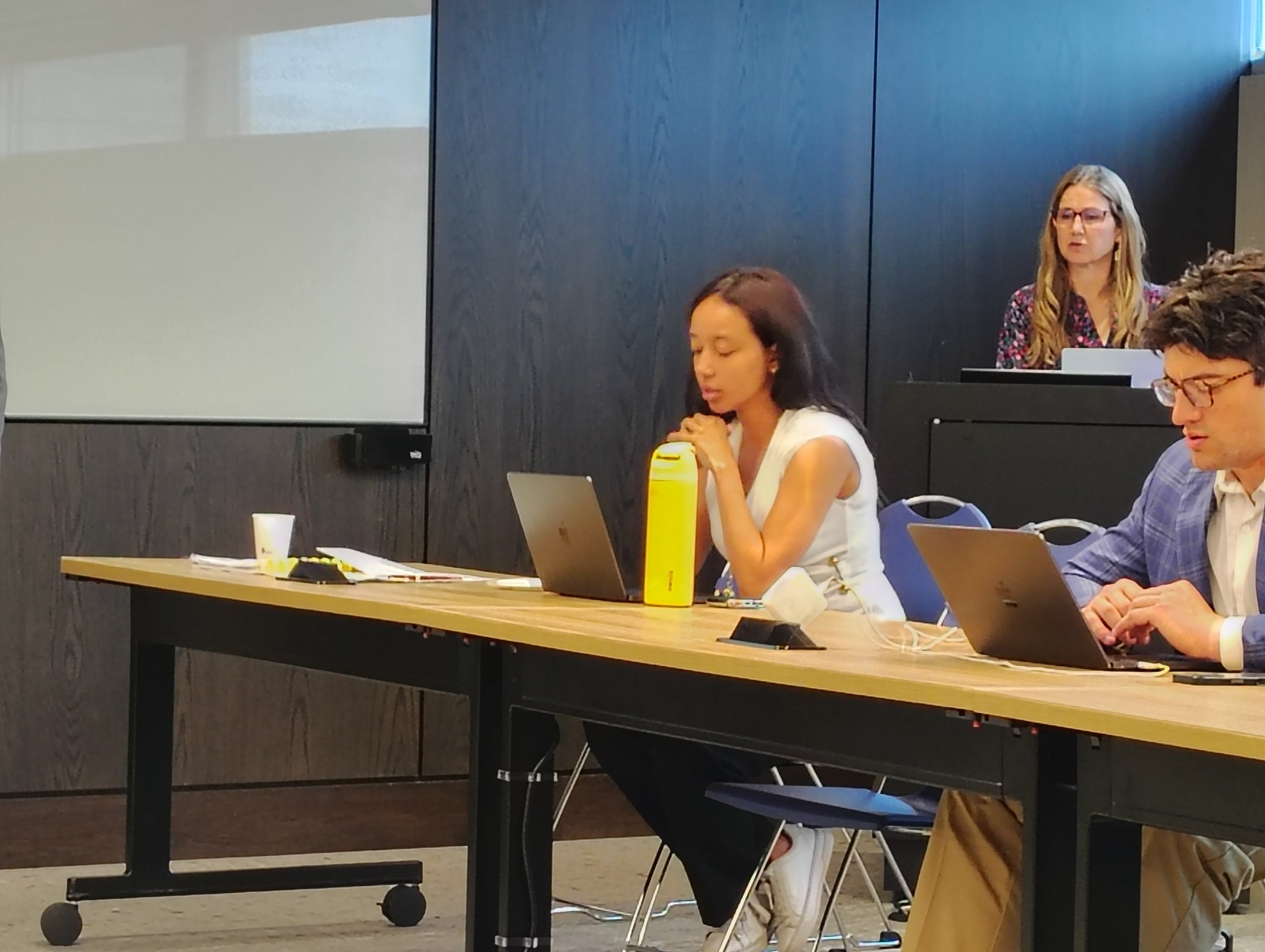
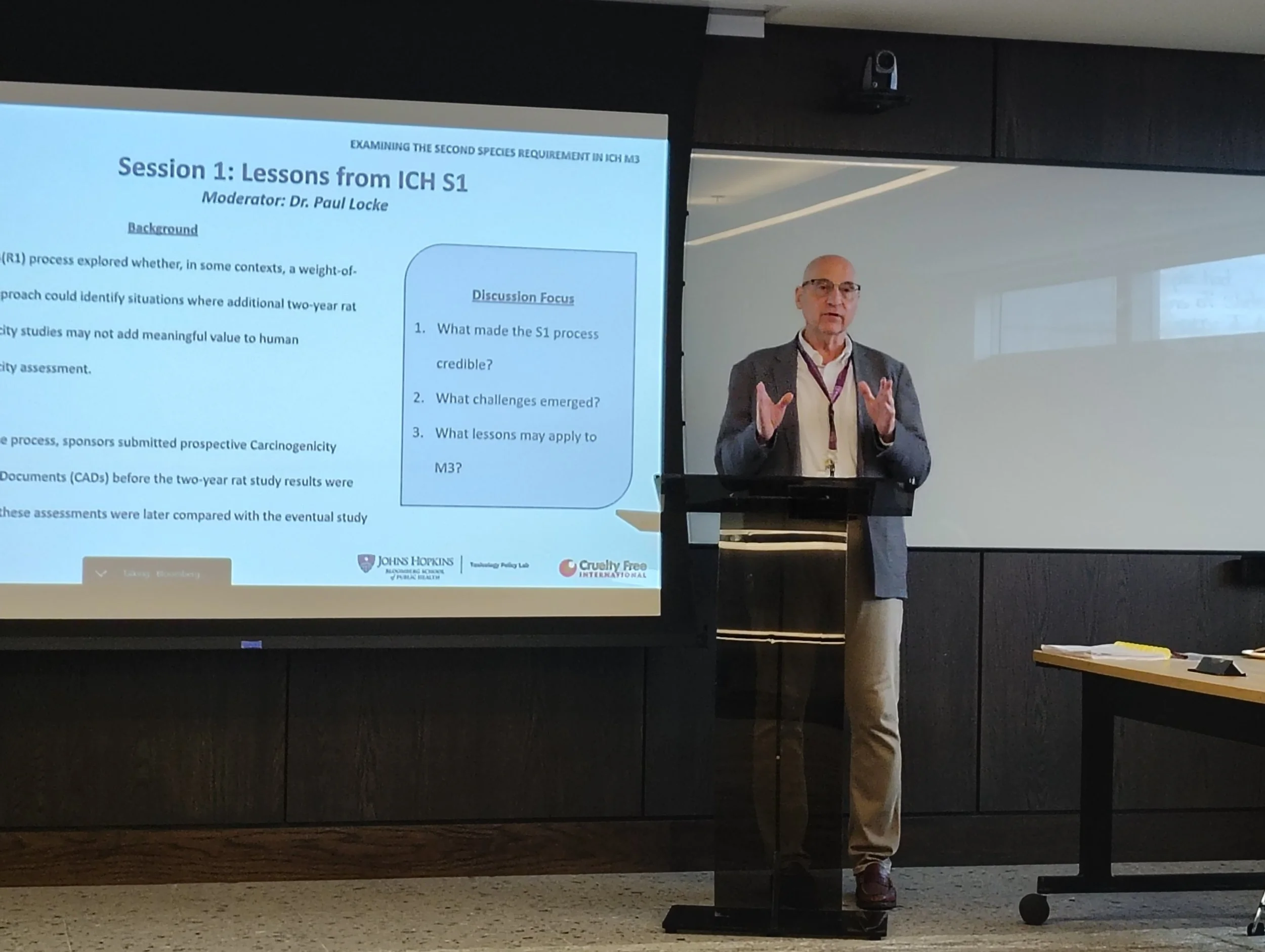
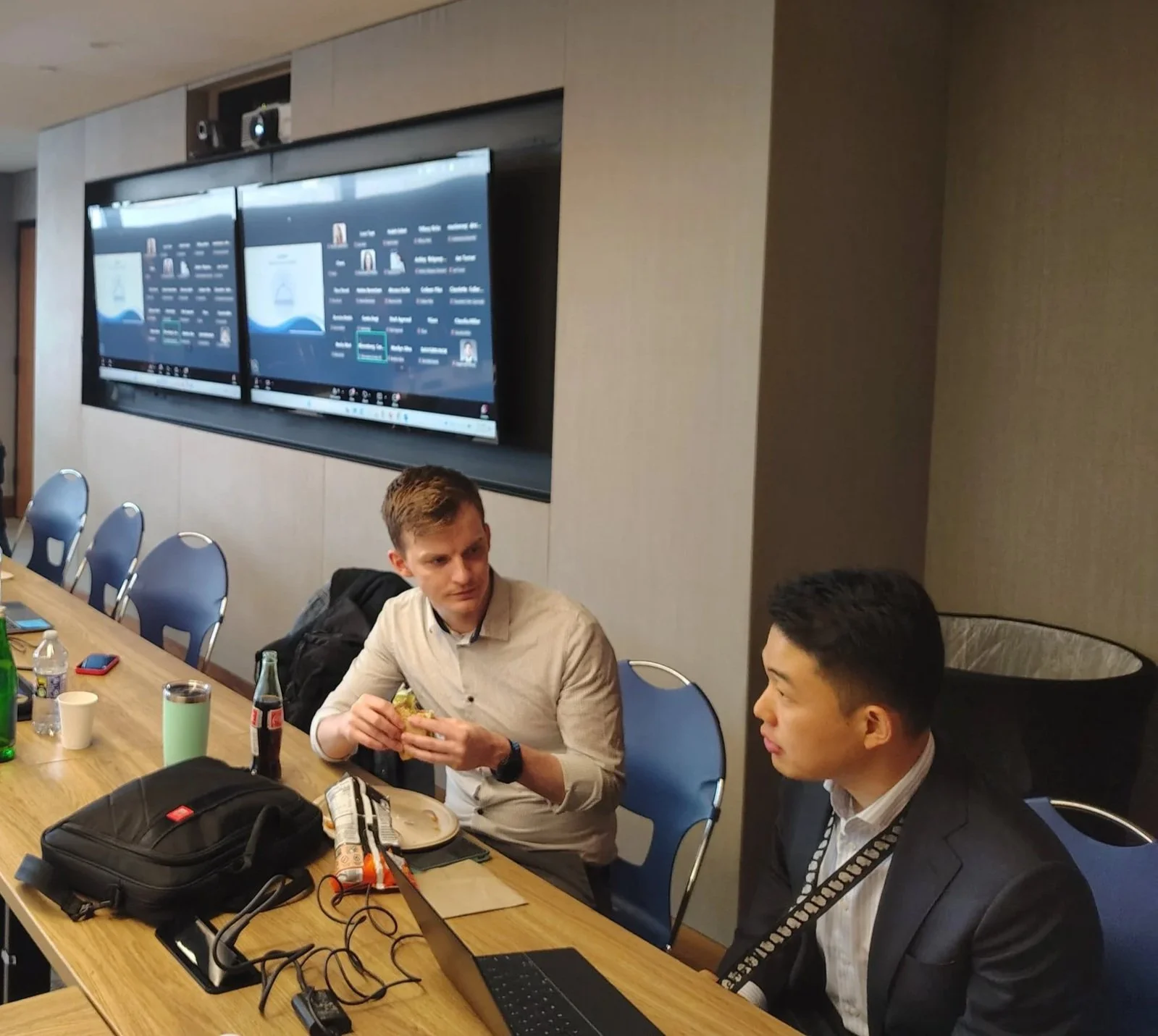
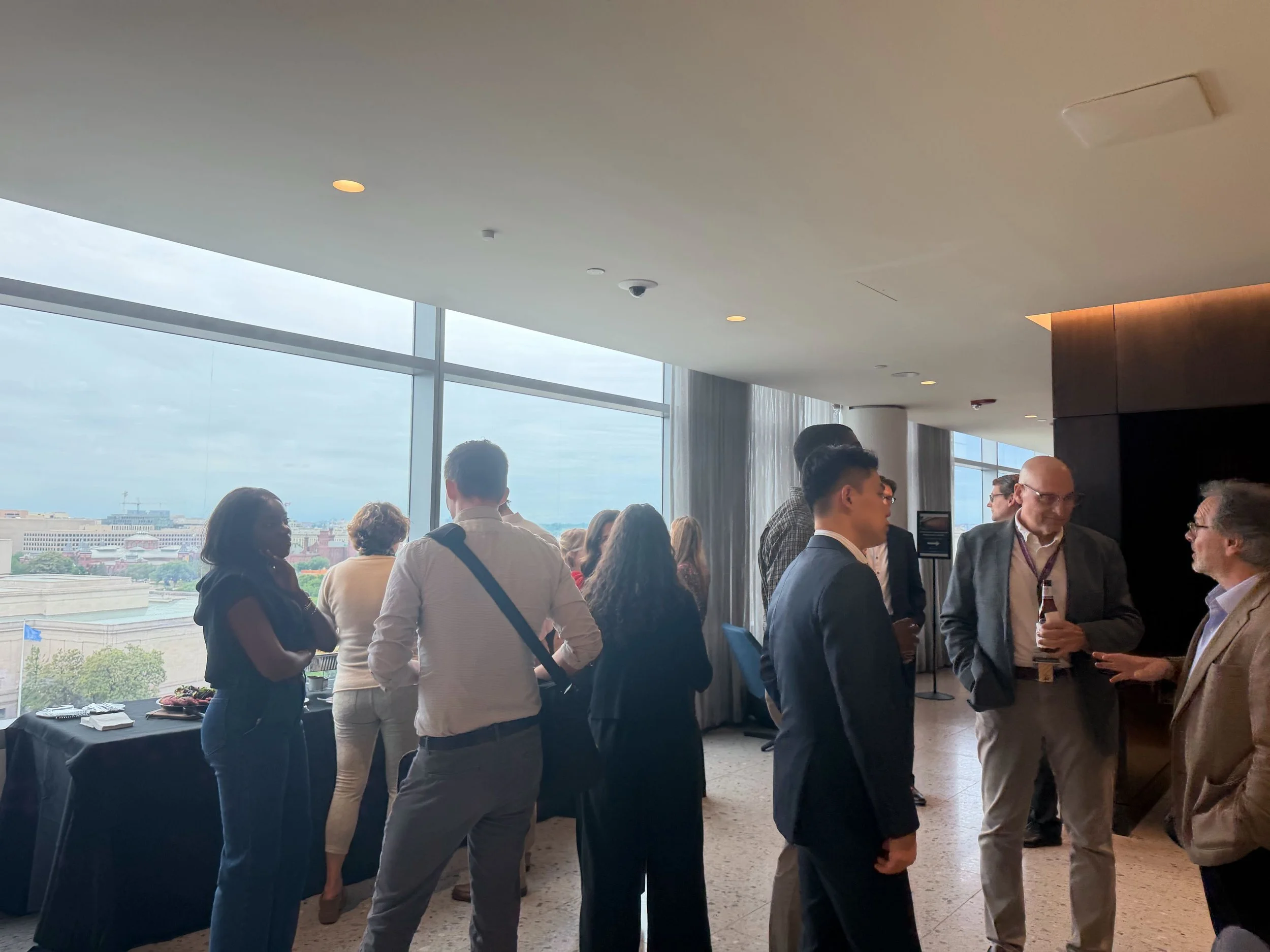
This workshop was not intended to reach consensus or definitive conclusions. Instead, it served as a forum for gathering critical information to assess whether changes to current practices are warranted. By convening diverse viewpoints and the latest scientific evidence, the workshop generated insights that will inform future discussions and decisions. This approach reflects the complexity of regulatory science and the need to carefully evaluate established safety protocols.
We sincerely thank our steering committee members, distinguished speakers, and all participants for sharing their expertise and engaging in thoughtful dialogue throughout the event. The information gathered will guide future discussions and inform next steps in this critical area. We encourage everyone to follow our social media channels for updates on the workshop report and materials.
The views expressed do not necessarily reflect the official policy or position of Johns Hopkins University or Johns Hopkins Bloomberg School of Public Health.