
Release the Rabbits: What Two Decades of EU Skin Irritation Testing Trends Reveal About Replacing Animal Models
By Vesna Adjei | September 17th, 2026
“This has major implications for the United States as NAM-friendly legislation continues expanding through policies such as the FDA Modernization Act 2.0 and state-level cosmetic testing bans; Funding innovative methods is essential, but funding alone will not drive widespread replacement.”
Image by ALEXANDRE LALLEMAND

Snails, Snakes, and Sourcing Novel Compounds for Drug Development
By Anicca Harriot, PhD | September 3rd, 2026
“Holford’s new efforts to produce snail-based organoids could become a prominent tool in reducing and even replacing the use of live animals in production.”
Image by Marina Grynykha

Professional Perspectives: How Online NAM Platforms Are Changing Toxicity Testing
By Kinga Nimz, Karolina Jagiello, PhD and Maciej Stępnik, MD, PhD, DSc | August 20th, 2026
“By linking NAM knowledge platforms with computational tools and structured workflows, the field can move from isolated methods toward practical, decision-support systems for inhalation toxicity assessment.”
Image by Hans Reiner
How Legal Liability Concern is Slowing the Future of NAMs
By Mackensey Alexander | August 6th, 2026
“Without a robust regulatory acceptance pathway, legal liability concerns will continue to delay the widespread development and adoption of NAMs.“

Green Chemistry - The Prevention of Waste at the Source
By Shannon Dixon | July 23rd, 2026
“Ultimately, green chemistry shows that the most effective way to manage waste is to prevent it from being generated in the first place.“
The Replacement Trap: NAMs Are Built for Integration not One-for-One Animal Replacement
By Zachary Liebowitz | July 9th, 2026
“Right now, they're not yet ready to replace animal testing. That reality should not be seen as a limitation of the field, but as a reflection of where it is in its development and shows a need for more support. “

More than a Guideline: Why Compliance with the PHS Policy is not Optional
By Akosua Dufie | June 11th, 2026
“For an animal research institution seeking federal dollars, compliance with the PHS Policy is not optional. Even though the PHS Policy is not enforced through punitive measures, it is still enforceable through the quiet but potent power of funding.”

NAMs in Industry: FDA Shows Emerging Trends in Regulatory Submissions
By Jorge Gana | May 7th, 2026
“Commitments to open science, continued funding of NAM research, and first-hand participation in NAM development are all steps industry leaders can take to ensure that technology meets the demands for new and validated, nonclinical testing. ”

Professional Perspectives: Innovation Without Cruelty: Replacing Animals with Artificial Intelligence
By Anjali Kumar | April 23th, 2026
“There are challenges and limitations to consider before implementing AI to replace animal models; however, the potential of this new technology will vastly change how we view research and testing worldwide.”
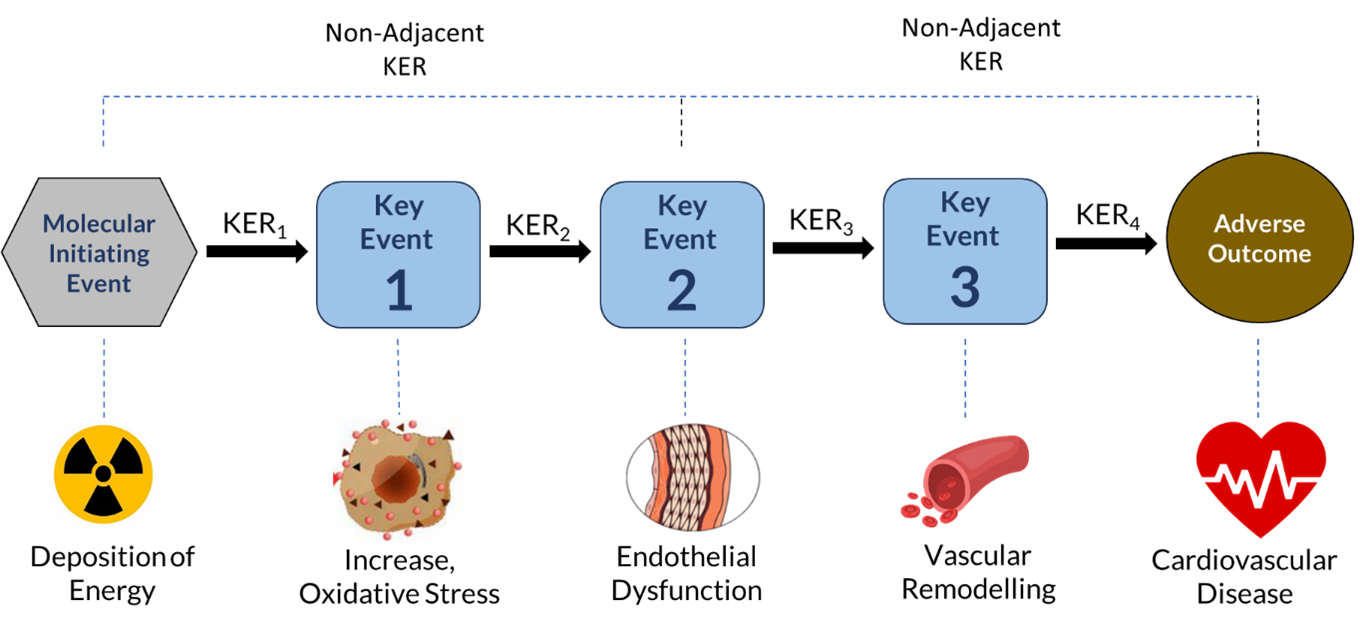
Professional Perspectives: Adverse Outcome Pathways to Contextualize Mechanistic Data for Chemical and Radiation Research
By Vinita Chauhan | April 9th, 2026
“In this sense, applying AOPs should therefore be viewed as a methodological refinement rather than a paradigm shift. It offers a systematic way to assemble mechanistic information, identify data gaps, and communicate uncertainty more clearly.”

Xenotransplantation and the Future of Organ Supply: A Case for Human-Derived Alternatives
By CriShaun Hardy | March 26th, 2026
“Xenotransplantation is not the only scientific pathway being explored to address organ scarcity and perhaps should not be society’s first choice.””
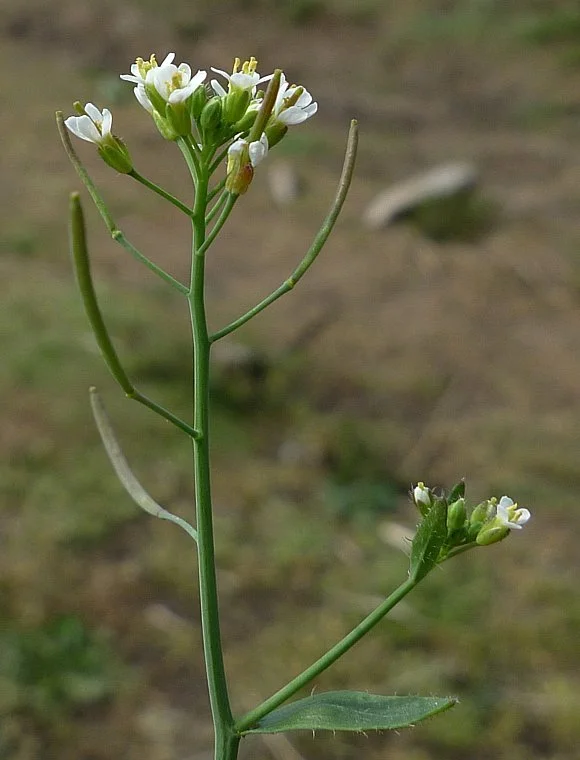
Our Tiny Allies in Toxicological Testing Part 3 – Small Flowering Plants as Alternative Models
By Aaradhya Diwan | March 12th, 2026
“Should the scientific community seek to incorporate Arabidopsis thaliana more formally into a battery of tests for evaluating environmental toxicity, there would need to be increased effort to coordinate and standardize laboratory conditions across its use in toxicity studies.”

The Production of Antivenom and Implementing the 3Rs
By Mariah Bowman | February 26th, 2026
“This is why toxicovenomics is important – identifying the type of venom and the proteins involved helps produce antivenoms that are ethical, consistent with the 3Rs, and potentially more effective.”
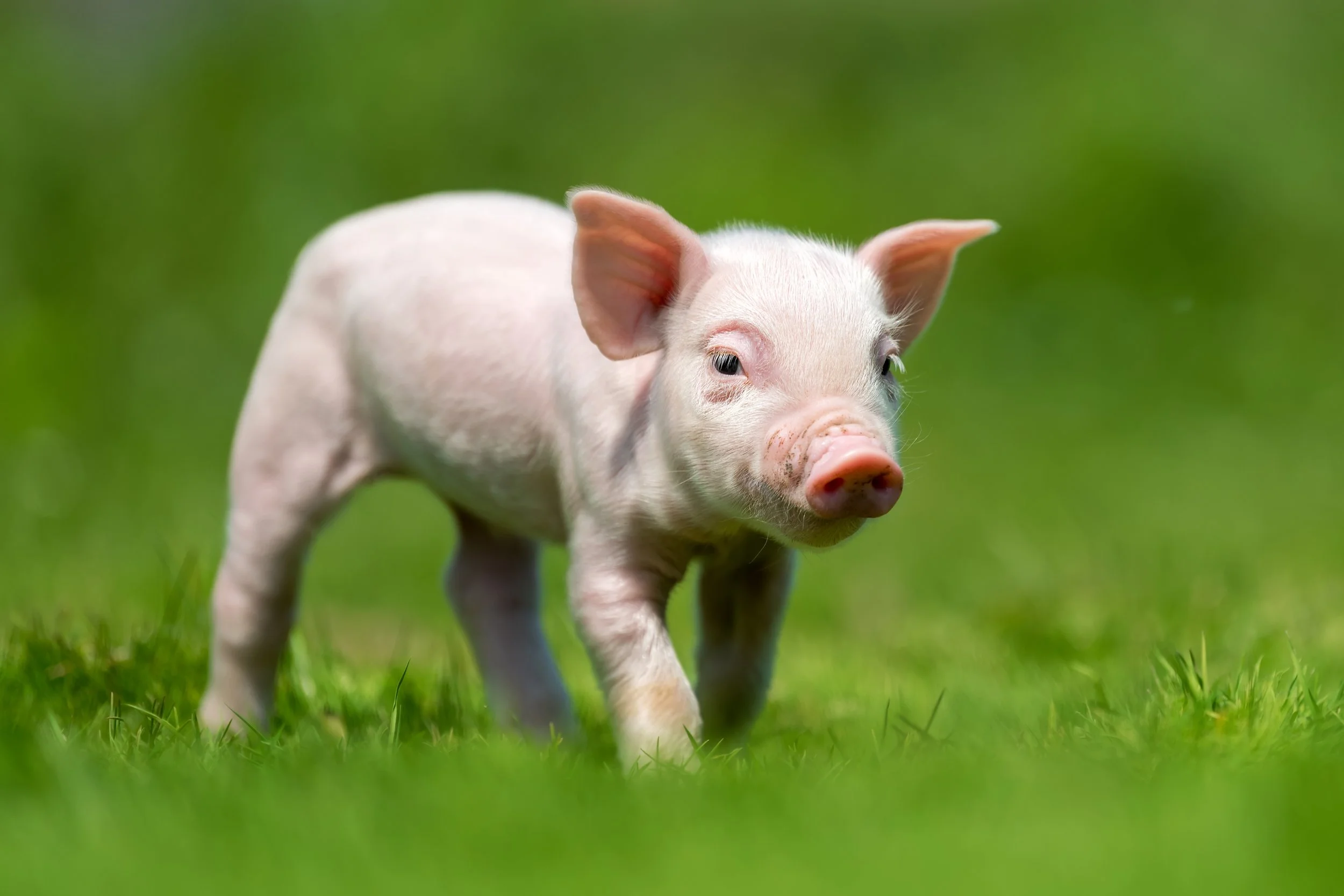
Xenotransplantation: Clinical Progress and a Need for Regulation
By CriShaun Hardy | December 18th, 2025
"As xenotransplantation moves forward in formal clinical trials, greater consideration must be given to how future regulation and ethics will shape the evaluation of its feasibility and long-term integration into the organ transplantation framework.”

AOPs, Space, and In-Silico
By Awurakua Asamoah-Mensah | October 16th, 2025
"AOP development is pivotal in guiding regulatory decisions, bridging knowledge gaps, and predicting stimulus impact. Further integrating new approach methodologies, such as in-silico models, into research will enhance AOP development, offering novel and relevant contributions to science, medicine, and policy."
Image by WikiImages
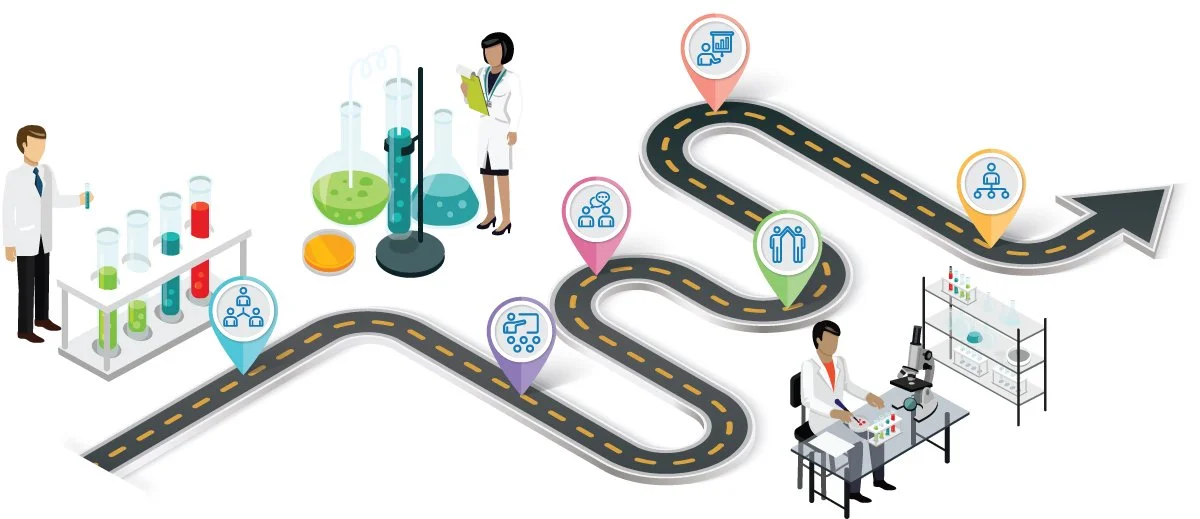
Transitioning to Human-Centered Science: An Off-Ramp and Transition Plan
By Paul Locke | September 4th, 2025
“For those of us who have been advocating for the development, use and adoption of human centered NAMs, the Roadmap and these announcements are a breath of fresh air. It seems that – finally – the federal government has turned the corner. But talking the talk is not enough. The transition to human centered science and away from animal testing needs an implementation plan …”
Image by FDA
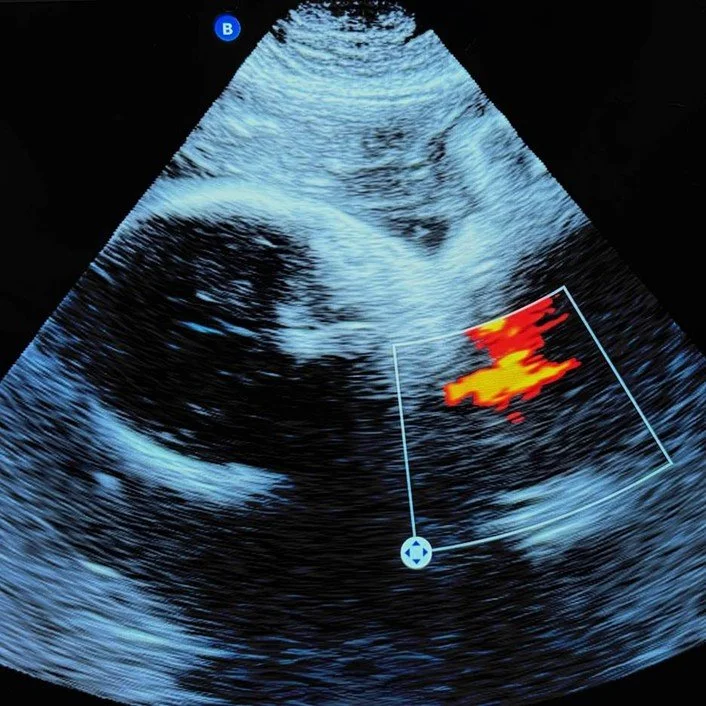
A Bright Tomorrow for Therapeutic Orphans: The Potential for New Approach Methodologies to Bridge Data Gaps for Pregnant Patients
By Matthew Durthaler | July 24th, 2025
“As caution often precludes pregnant humans from serving as models of their own physiology, various non-human animal models have been employed. While these models have displayed some value, they are severely limited by interspecies variation and thus serve as subpar predictors of gravid human physiology.”
Sonogram captured by Matthew Durthaler, used with permission

Our Tiny Allies in Toxicological Testing Part 2 – Transparent Roundworms as Alternative Models
By Aaradhya Diwan | July 10th, 2025
“There are numerous opportunities for using C. elegans as a model for toxicity testing, thanks to their unique advantages and translational relevance to human health, as demonstrated in applications to neuroscience and developmental biology.”
Image by Zeynep F. Altun

NAMs and the Funding Frontier: How Modern Toxicology Maximizes Scientific Return on Investment
By Zachary Liebowitz | May 29th, 2025
“Funders are not only looking for scientific merit—they are also scrutinizing value and feasibility. NAMs answer all three.”
Image by ChatGPT

From Roadmap to Reality: Validating NAMs for FDA's Plan to Phase Out Animal Testing
By Yiguang Zhu | May 15th, 2025
“The FDA and the broader scientific community recognize NAMs as a means to obtain 'faster and more accurate human risk assessments' while reducing animal use.”
Image by ChatGPT